Bringing Care and Compassion: Eileen Richardson’s Mission Trip to the Philippines
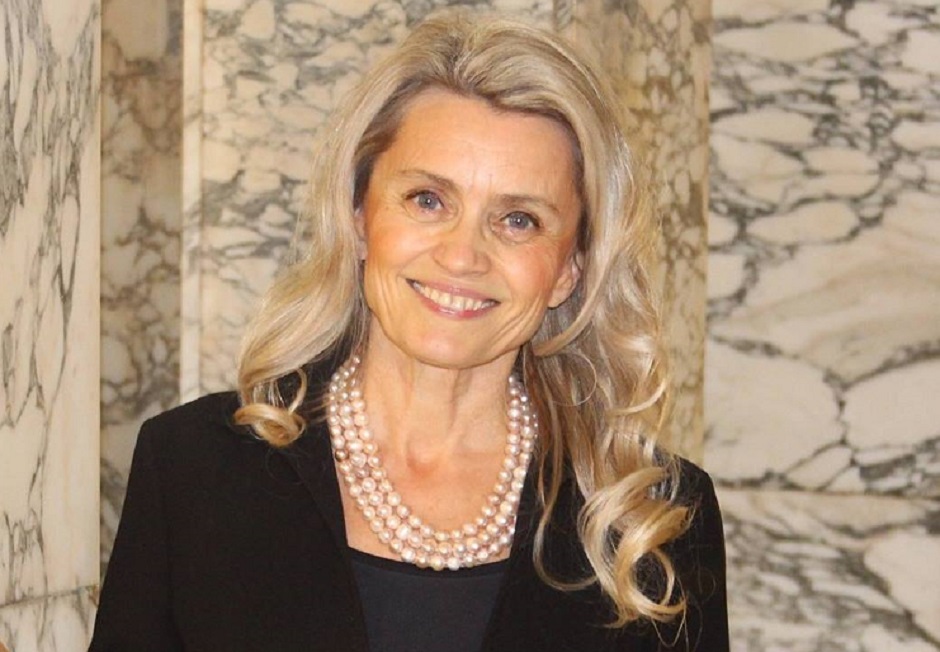
In the summer of 1999, Eileen Richardson and a group of volunteers from her church team in Nova Scotia returned to the Philippines on a missions trip. One of the first destinations was to the orphanage where Richardson had spent time during a previous missions trip.
The last time she left the Philippines to return to Canada, the orphanage was not in good shape. This time, when she returned, she was immediately encouraged by the changes she saw. The yard had been swept clean, sliding glass doors had been installed inside, and the children now had mattress covers for the first time. The improvements brought a sense of hope for the children and the staff caring for them.
Richardson’s priority was a young boy named Emmanuel, with whom she had developed a close bond. As soon as he heard her voice, he reached for her, and staff members confirmed that he had missed her. “I spent most of the afternoon just holding him and singing to him, which I had done on the previous trip. It was an afternoon of re-establishing a relationship which a child who had no lasting relationships.
Eileen took Emmanuel outside briefly, but the heat soon drove them back into the nursery. She stayed until the end of the day, feeding him supper and getting him settled back into his cot for the night. Meanwhile, the young women from the church team spent their time caring for the babies and toddlers in the nursery. The boys from the church team stayed mostly outside, playing games with the children in the yard. Richardson reflected that it was hard to tell who needed this interaction more, the children or the volunteers themselves.
The second day of the trip focused on one of the mission team’s most important activities, a medical clinic. Richardson explained that these clinics were often the only opportunity for people to receive medical care.
The medical clinics were usually in remote areas where the residents had no access to hospitals, clinics, doctors or transportation, and they were always welcomed.
Traveling by van first, and then by local jeepney, the team reached Friendship, a town on the outskirts of Angeles City. Many of the residents lived under the Friendship Bridge in unfinished cement block houses, or in tin-roofed lean-tos. The area was mostly hard-packed dirt and lacked access to clean running water, contributing to serious health problems.
As the community gathered, the volunteers set up tables, chairs, and a prayer station. The medical clinic addressed a variety of needs. Many children had open sores on their feet, arms, and legs. Some had sores on their scalps. “We had to clean the wounds with peroxide and iodine, which hurt of course, so we then used colourful bandages for psychological comfort,” Richardson recalls. “I remember there was a baby who was just learning to crawl and had suffered painful bites after crawling through an ant nest. It was heartbreaking.”
Despite the discomfort, the children stayed quiet and brave throughout treatment. Other common problems included conjunctivitis, ringworm, and dental decay.
Some children had yellowed or blackened teeth. One young woman, however, caught Richardson’s attention. She had reasonably good teeth, which was unusual. What was striking however, was a tiny gold heart inlaid in the centre of one of her front teeth.
The presence of dirty, mangy dogs in the community contributed to the spread of infections and skin problems. Many children had constant exposure to unsafe conditions, and Richardson noted that poor hygiene and lack of access to basic health services were common problems for both children and adults. In addition, she observed that there were many very young mothers with multiple children, adding to the challenges families faced. “It was truly disheartening to see children living in those conditions, but it was also inspiring to witness their strength and resilience,” she said.
Photography was an important part of every mission trip. Richardson took many photos to document the work, both to show MAP International, which supplied the medicines they used, and to illustrate the impact of the clinics. Each clinic was organized so that after registration, every patient passed by a prayer team. This allowed volunteers to pray for individual needs before the medical team treated each person. Richardson noted that this combination of spiritual and physical care was central to their mission.
Beyond providing medical attention, the trip had a profound effect on many of the volunteers. Many North American team members had never experienced the poverty present in these communities.
The shock of witnessing the conditions firsthand left a lasting impression and deepened their understanding of the importance of compassion and service. “For many of our team members, this was the first time they truly saw how challenging life can be for others. It changes the way you think about what you have and what you can give,” says Richardson.
Through meticulous care, dedication, and empathy, Richardson and her team were able to provide hope, healing, and support. They left a meaningful impact on the orphanage and the Friendship community, demonstrating the transformative power of mission work. The trip revealed the importance of meeting practical needs and offering emotional and spiritual support, showing how even a small group of committed volunteers can make a significant difference in the lives of others.